Steel Guitar Curriculum Overview
The following is the rough course flow I follow, but it can be modified to suit your specific goals or learning style. In particular, some may not want to pursue the music theory part of the course. My primary emphasis is chordal—that is, learning the positions for playing 2- and 3-part harmony. This creates the proper foundation that drives everything else including single note playing and single-note improvisation.
Curriculum Goals
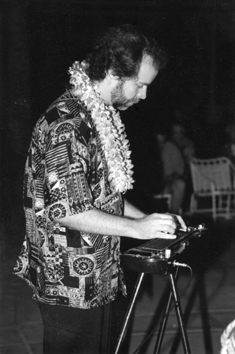
After a year or two, or less(!) depending on how much time you can put in, how well developed your ear is, and other factors, you should be able to:
- Play cleanly through use of palm blocking and with feeling using a steady, singing vibrato.
- Construct chord solos and single-note solos based on the melody.
- Listen to recordings and figure out basic steel guitar solos/licks by ear. This is done through ear-training, which we do regularly during lessons.
- Cover the various aspects of ensemble playing, including playing vamps, intros, and endings, and the ability to play non-intrusive backup behind a singer.
- Play improvised "take-off" solos over common country, swing and pop chord changes.
- Read a chord chart along with other basic music theory skills. This can be a light dose or a heavy dose depending on your needs. (Feel free to check out the newly posted music theory primers on my download page.)
How Do You Get There?
Boiled down, this is what I try to do:
- Start you out with sound mechanics to ease the technical hurdles and prevent injury.
- Give you a fundamental knowledge of chord changes and chord positions on your fretboard. Single string work will come directly out of the chord positions.
- Give you the tools early on to create fully harmonized arrangements of basic country, western swing, Hawaiian, and pop songs without tablature. This helps cements your knowledge of positions.
- Show you how to use phrasing, vibrato, and melodic/rhythmic variation to personalize the ideas you play—how to make musical lines sing and how to add interest.
The Commonly Used Learning Sequence
- Basic Hand Positioning
- Intro to Single-Note Playing
- Playing Basic Chords and Inversions
- Blocking with the Right Palm
- Playing and Harmonizing Intervals
- Vibrato Basics
- Harmonizing Melodies with Intervals and Chords
- Intermediate Single-Note Playing
- Playing Natural Harmonics
- Playing Forward Bar Slants
- Chord Progression Studies
- Single Note Progression Studies
- Playing Vamps and Intros
- Playing Palm Harmonics
- Playing Reverse Bar Slants
- Playing Backup Behind a Singer
- Left Hand Phrasing and Blocking
- Advanced Riffing and Improvisation
- Last Updated: 2/28/2011
- Email: johnely
 hawaiiansteel.com
- ©2026 by John Ely
- P.O. Box 509
- Virginia, MN 55792